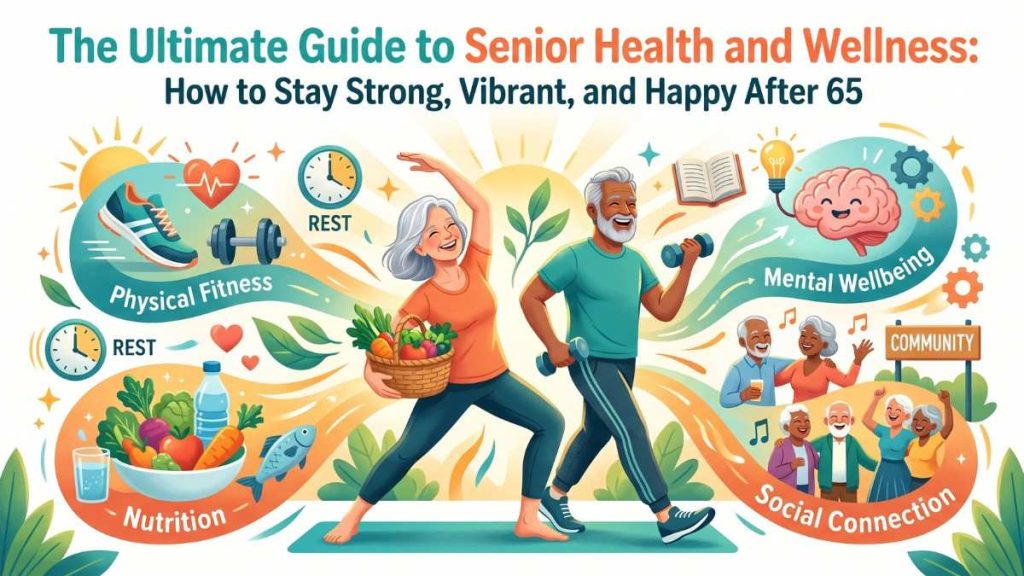
senior health and wellness Aging is a beautiful, hard-earned chapter of life—a time meant for watching families grow, diving into long-delayed hobbies, and enjoying your hard-earned freedom. Yet, many people approach their later years with a sense of dread, assuming that turning 65 means waving goodbye to energy, strength, and independence. But getting older doesn’t mean you have to slow down or accept a life defined by physical limitations. Your golden years can truly be your most vibrant, active, and fulfilling years yet.
The secret to thriving during this stage of life isn’t hidden in an expensive fountain of youth; it lies in understanding how to nurture your changing body and mind. True vitality comes from making small, intentional adjustments to your daily habits, your diet, and your mindset. Whether you are looking to boost your daily stamina, protect your memory, or simply wake up feeling refreshed and pain-free, you have more control over your body than you think. Let’s explore the essential pillars of senior health and wellness and discover how you can unlock a lifetime of strength, happiness, and lasting energy.
Simple and Actionable Senior Health Tips for Daily Vitality
Maintaining your health doesn’t require a radical lifestyle overhaul. Instead, long-term well-being is built on consistent, simple daily habits. As our bodies age, small choices—like how much we move and how we start our mornings—have a massive compounding effect on our overall physical capabilities.
Stay Moving with Low-Impact Exercise
Physical activity is the absolute foundation of youth. You don’t need to lift heavy weights at a gym to stay fit. Low-impact exercises like brisk walking, swimming, water aerobics, or gentle yoga work wonders for aging joints. Aim for at least 30 minutes of moderate movement five days a week. Regular movement keeps your heart strong, improves your circulation, and releases mood-boosting endorphins that naturally chase away feelings of sluggishness or anxiety.
Prioritize Balance and Mobility Training
Falling is one of the greatest risks to senior independence. Incorporating simple balance exercises into your weekly routine can dramatically reduce this risk. Spending just five minutes a day practicing standing on one foot (while holding onto a sturdy chair for safety) or practicing heel-to-toe walking can strengthen your core and ankles. Better mobility means you can continue playing with grandchildren, gardening, and moving freely without the fear of injury.
Fueling Your Body: Nutrition Rules for Senior Health
Your nutritional needs shift significantly as you cross into your mid-sixties. Your metabolism slows down, meaning your body requires fewer overall calories, but it actually needs more nutrient-dense foods to function at its peak. Eating well is no longer about managing weight; it is about protecting your bones, muscles, and cellular energy.
Boost Your Lean Protein Intake
As we age, our bodies naturally begin to lose muscle mass, a condition known as sarcopenia. To fight this process, it is vital to include high-quality protein in every single meal. Focus on lean sources such as:
- Eggs (especially the whites)
- Skinless poultry and fish
- Lentils, chickpeas, and traditional beans
- Plain Greek yogurt or cottage cheese
Getting enough protein keeps your muscles strong, supports tissue repair, and ensures that you maintain your physical strength and balance.
Focus on Complex Carbs and Fiber
Ditch refined white flours, sugary cereals, and processed pastries that spike your blood sugar and leave you feeling instantly drained. Instead, fuel your mornings with complex carbohydrates like steel-cut oats, buckwheat, millet, and whole-grain breads. These foods contain rich fiber networks that slow down digestion, providing your brain and muscles with a steady, reliable stream of clean energy throughout the entire day.
| Nutritional Essentials | Why Your Body Needs It  Best Food Sources
| **Lean Protein**  Preserves muscle mass & strength  Eggs, chicken, fish, lentils
| **Complex Carbs**  Sustained energy, avoids sugar crashes | Oats, quinoa, brown rice, millet
| **Calcium & Vitamin D** | Protects bone density | Dairy, leafy greens, fortified milk |
| **Healthy Fats** | Brain health & joint lubrication | Walnuts, almonds, chia seeds, avocado

Understanding the True Value of Preventive Senior Health Care
Many people only think about medical professionals when they fall ill. However, shifting your mindset toward proactive, preventive care is a cornerstone of comprehensive senior health and wellness. Staying ahead of potential health issues allows you to manage them before they interfere with your quality of life.
Never Skip Routine Screenings
Regular check-ups are your early warning system. Routine screenings for blood pressure, cholesterol levels, bone density, and blood sugar are critical for preventing long-term chronic illnesses like cardiovascular disease or diabetes. Keeping these appointments ensures that your doctors can spot subtle internal changes early, making treatments far simpler and highly effective.
Keep a Clear, Updated Medication Log
It is very common for seniors to take multiple prescriptions or vitamins daily. To prevent harmful drug interactions or accidentally skipped doses, maintain a highly detailed, written medication log. Share this list with your primary doctor during every visit, including over-the-counter supplements. Managing your prescriptions carefully keeps your internal organs safe and ensures your treatments are working perfectly together.
Nurturing Your Mind and Spirit
Physical health is only one side of the coin. Your emotional resilience, mental sharpness, and social connections are just as critical for a vibrant life. True wellness means waking up with a sense of purpose and feeling connected to the world around you.
Challenge Your Brain Daily
Just like your muscles, your brain operates on a “use it or lose it” principle. Keep your mind sharp by introducing cognitive challenges into your weekly routine. Read engaging books, solve puzzles, try your hand at crossword games, or take up a completely new skill like learning a musical instrument or cooking a new recipe. These activities stimulate your brain cells and build new neural pathways, protecting you against cognitive decline and memory loss.
Cultivate Strong Social Connections
Loneliness and social isolation are hidden health crises among older adults, often leading to depression and diminished physical health. Make it a priority to stay connected with your community. Call old friends regularly, visit family, join local senior clubs, or volunteer for a cause you care about. Sharing a laugh and having meaningful conversations keeps your spirit youthful, lowers stress hormones, and adds years of genuine joy to your life. senior health and wellness
Conclusion: Embrace Your Journey to Lifelong Vitality
Achieving a vibrant state of senior health and wellness is not an unachievable luxury—it is a practical, beautiful reality that is entirely within your reach. Your later years are meant to be cherished, celebrated, and lived with maximum energy. By incorporating these holistic senior health tips, prioritizing nutrient-rich whole foods, and embracing preventive senior health care, you are building a powerful shield against disease and fatigue.
Do not let fear or old habits dictate the quality of your future. Start today by making one small change: drink an extra glass of water, step outside for a brief 10-minute walk, or swap out a sugary breakfast for a protein-rich meal. Your body is remarkably resilient, and it will reward your care with renewed strength, clarity, and life. Step confidently into tomorrow, take charge of your wellness, and live your golden years to the absolute fullest! senior health and wellness