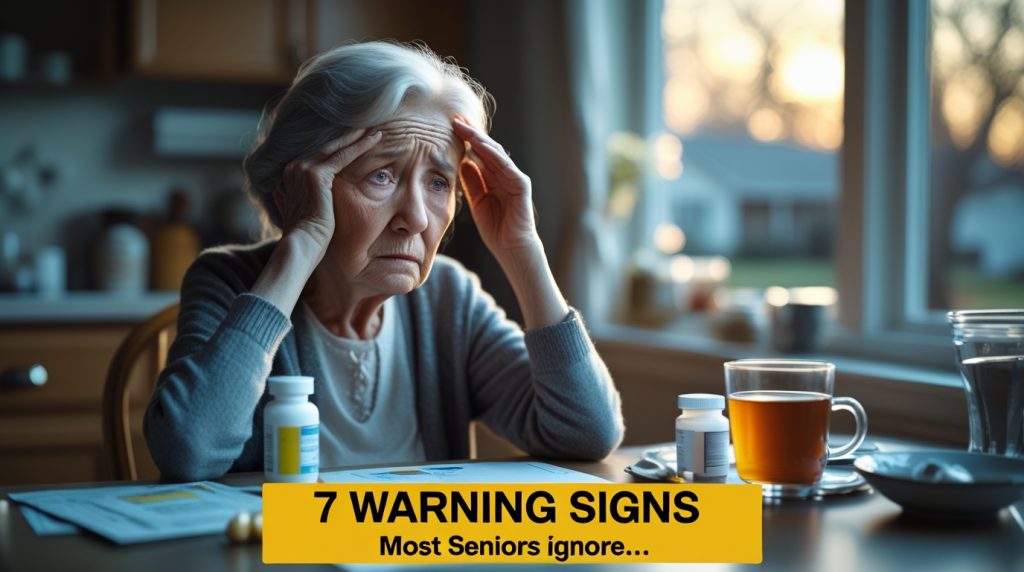
Many people over 70 quietly believe certain changes are “just part of getting old.”
The slower walking. The exhaustion after waking up. The forgotten appointments. The unopened mail sitting on the table for weeks. ”warning signs seniors ignore”
Warning Signs Seniors Ignore About Constant Fatigue
But sometimes… those small changes are not normal aging at all.
Sometimes they are warning signs.
And the frightening part is this:
Most seniors don’t notice how serious the signs are until something suddenly goes wrong — a dangerous fall, a hospital visit, memory confusion, or complete loss of independence.
One small change rarely destroys a life overnight.
It happens slowly.
A little less energy.
A little more forgetfulness.
A little less balance.
A little more isolation.
Until one day, the body and mind are no longer functioning the way they once did.
One of the first warning signs many families notice is constant fatigue.
Not normal tiredness. ”warning signs seniors ignore”
The kind of exhaustion that lingers all day, even after sleeping through the night.
A person who once enjoyed gardening, cooking, or morning walks suddenly spends hours sitting in silence. Small chores feel overwhelming. Even getting dressed becomes exhausting.
Many older adults blame this on age. But ongoing fatigue can sometimes point to deeper problems — nutritional deficiencies, heart issues, poor circulation, dehydration, depression, or untreated medical conditions. ”warning signs seniors ignore”
The body loses strength faster after 70.
And once energy disappears completely, recovery becomes much harder.
Another warning sign many people ignore is sudden weight loss.
At first, some seniors are even happy about it.
They think:
“I’m losing weight without trying.”
But unexplained weight loss after 70 can be dangerous.
It may happen because the body is no longer absorbing nutrients properly. Some older adults lose their appetite without realizing it. Others struggle with chewing, swallowing, cooking, or even remembering to eat.
Warning Signs Seniors Ignore When Walking Becomes Difficult
Loneliness also plays a role. warning signs seniors ignore
Many seniors stop preparing healthy meals after losing a spouse or living alone for years. Cooking for one person starts to feel pointless.
So meals become smaller and smaller.
Toast. Tea. Crackers. Maybe soup.
Week after week, the body slowly weakens.
Muscles shrink. Balance worsens. Bones become fragile. The immune system struggles.
And suddenly, a simple illness becomes life-threatening.
Frequent falls are another major warning sign people often dismiss.
Many older adults hide falls because they fear losing independence.
They don’t want family members worrying.
So they say:
“I just slipped.”
“It was nothing.”
“I’m fine.”
But falling is rarely “nothing” after 70.
A fall may signal muscle weakness, poor vision, nerve problems, medication side effects, dizziness, or declining brain function.
Sometimes the body gives quiet warnings before a serious fall happens.
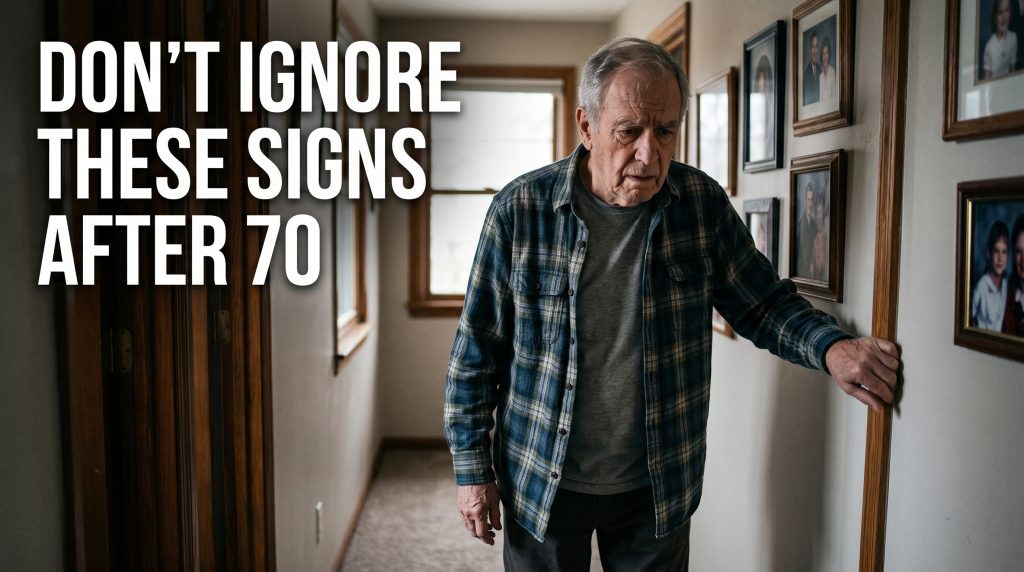
Holding onto walls while walking.
Using furniture for balance.
Taking much longer to stand up.
Walking slower than before.
Avoiding stairs.
Refusing to leave the house alone.
These changes often happen gradually, making them easy to ignore.
But mobility decline can steal independence faster than almost anything else.
A person who once drove confidently may suddenly avoid traffic. Someone who loved shopping may stop leaving home entirely.
Even favorite hobbies begin disappearing.
Gardening feels too tiring.
Walking the dog feels unsafe.
Church gatherings become exhausting.
Family visits become rare.
Many people assume seniors simply “lose interest” with age.
But in many cases, they are quietly struggling.
Pain, weakness, fear of falling, hearing problems, and memory changes slowly push them away from the world.
Then there are the warning signs involving memory and personality.
These signs can be especially heartbreaking because they often appear slowly.
A normally organized person suddenly forgets appointments repeatedly. Bills remain unpaid. Important medications are skipped. warning signs seniors ignore
Conversations become confusing.
Stories are repeated multiple times within minutes.
Names disappear.
Simple decisions become stressful.
And sometimes, personality changes happen before severe memory loss becomes obvious.
A warm, patient person may become angry or suspicious. Someone social may suddenly avoid everyone. A calm person may become anxious, fearful, or emotionally withdrawn.
Warning Signs Seniors Ignore About Memory Loss
Families often explain it away:
“They’re just getting older.”
But extreme withdrawal is not something to ignore.
Neither is sudden confusion.
One dangerous reality about cognitive decline is that many seniors become skilled at hiding it in the beginning. warning signs seniors ignore
They laugh off mistakes.
They avoid difficult conversations.
They stay quiet in group settings.
They pretend to remember things they no longer understand.
Meanwhile, the problem quietly grows worse.
Even simple daily routines can reveal serious warning signs.
Mail piling up near the door.
Expired food inside the refrigerator.
Unwashed dishes sitting for days.
Missed doctor appointments.
Late payments.
Clutter growing around the home.
Poor hygiene. warning signs seniors ignore
Wearing the same clothes repeatedly.
These are not always signs of laziness.
Sometimes they signal depression.
Sometimes exhaustion.
Sometimes memory decline.
Sometimes a person who is slowly losing the ability to manage everyday life alone.
And the hardest part?
Many seniors feel ashamed asking for help.
So they stay silent. warning signs seniors ignore
Warning Signs Seniors Ignore Inside Daily Routines
They convince themselves everything is under control.
Even when they are struggling to remember medications.
Even when they feel dizzy walking across the room.
Even when opening a jar suddenly feels impossible.
Pride keeps many older adults silent far longer than they should be.
And unfortunately, silence allows small problems to become dangerous ones.
Another warning sign that should never be ignored is sudden sensory loss.
Many people think hearing and vision decline are harmless parts of aging.
But rapid changes in sight or hearing can dramatically affect safety, memory, confidence, and overall health.
A senior who cannot hear clearly may begin avoiding conversations because constantly asking people to repeat themselves becomes embarrassing.
Over time, isolation grows.
Family gatherings feel exhausting.
Phone calls become frustrating.
Social life slowly disappears.
And loneliness after 70 can damage health more than many people realize.
Research has repeatedly linked isolation to depression, faster cognitive decline, anxiety, sleep problems, and even shorter life expectancy. Vision loss can be equally dangerous.
Poor eyesight increases the risk of falls, medication mistakes, driving accidents, and confusion inside familiar places. warning signs seniors ignore
Some seniors stop reading because the words blur together. Others quietly stop driving at night. Some begin avoiding stairs because depth perception changes make every step feel unsafe.
But instead of talking about it openly, many simply adjust their lives in silence.
That silence can become dangerous.
One hidden issue families often miss is emotional withdrawal.
Not every struggling senior cries or openly asks for help.
Some simply become quieter.
Hidden Warning Signs Seniors Ignore After 70
They stop answering calls.
They stop attending events.
They stop sharing feelings.
They spend more time sitting alone in dark rooms with the television on for background noise.
At first, it may seem harmless.
But emotional withdrawal can signal depression, grief, cognitive decline, chronic pain, or overwhelming loneliness. warning signs seniors ignore
Many older adults carry silent grief for years.
The loss of friends.
The death of a spouse.
Retirement.
Distance from children.
A shrinking social circle.
Life becomes smaller and quieter.
And sometimes, hopelessness slowly takes root.
This is why sudden personality changes should never be ignored.
A person who once loved conversation may suddenly avoid eye contact. Someone cheerful may lose interest in everything they once enjoyed.
These shifts are often the body and mind asking for help.
Even financial problems can become warning signs.
Unpaid bills, unusual purchases, forgotten subscriptions, or confusion about money may indicate cognitive struggles beginning beneath the surface. ”warning signs seniors ignore”
Many seniors who were once extremely responsible suddenly struggle managing simple finances.
And sadly, this also makes older adults more vulnerable to scams and manipulation.
One scam call.
One fake email.
One moment of confusion.
That is sometimes all it takes.
Families often focus only on physical health while missing the emotional and mental warning signs quietly growing underneath. warning signs seniors ignore
But healthy aging is not just about surviving longer.
It is about protecting independence, dignity, clarity, confidence, and connection.
And the truth is, early action changes everything.
Small changes noticed early can often be treated, slowed, or improved.
Better nutrition can restore strength.
Physical therapy can improve balance.
Hearing aids can reconnect someone socially.
Counseling can ease depression.
Medical treatment can uncover hidden illnesses before they become severe.
But ignored warning signs rarely improve on their own.
They usually grow worse.
That is why paying attention matters.
Not with fear.
But with awareness.
Because aging itself is not the real danger.
Ignoring what the body and mind are trying to say is.
Many seniors spend years minimizing symptoms because they do not want to feel like a burden.
But asking for help is not weakness. ”warning signs seniors ignore”
It is wisdom.
The strongest people are not the ones who pretend nothing is wrong.
The strongest people are the ones willing to face reality early — before small problems become life-changing emergencies.
And sometimes, one honest conversation can change everything.
A conversation about memory.
A conversation about loneliness.
A conversation about exhaustion.
A conversation about fear.
Those conversations may feel uncomfortable in the moment.
But they can protect years of independence later.
Growing older should never mean becoming invisible.
And the warning signs many people dismiss after 70 deserve attention, not silence.
Because sometimes the quietest changes become the loudest regrets later.